Strategy Mapped. Now Build It Right.
Get a free audit and a plan built for your stage.
Share this Article



Key takeaways
Google Ads for startups is a demand capture tool; it only works when demand already exists in search.
Relevance beats budget, so a well-structured startup account consistently outperforms bigger spenders.
Never switch to automated bidding before 30 conversions; the algorithm learns from nothing and optimises toward nothing.
Scaling spend before unit economics are validated accelerates waste, not growth.
Conversion tracking is not optional. Without it every campaign decision is a guess dressed as strategy.
Google Ads for startups is the fastest way to reach buyers who are already searching for what you sell, without waiting months for organic results to build.
Startups don't have the luxury of slow channels. Unlike SEO or organic social, Google Ads puts you in front of potential customers at the exact moment they're looking for a solution.
People who click on Google Ads are 50% more likely to make a purchase compared to organic visitors, highlighting its effectiveness for startups looking to capture high-intent demand.
This makes Google Ads uniquely powerful for early-stage growth:
- You capture existing demand, not create it from scratch
- You control ad spend and targeting from day one
- You get fast feedback on which messages convert
- You can scale what works and pause what doesn't
For startups trying to validate a growth channel quickly, Google Ads is often the fastest path to meaningful revenue.
What Are Google Ads?
Google Ads is an online advertising platform that lets businesses show paid ads to people who are actively searching on Google. You only pay when someone clicks, which means every dollar is spent reaching a buyer who already has intent, not someone you're hoping to convince.
Ads appear at the top of Google search results, above organic listings, triggered by the keywords you bid on. The platform runs on an auction system where relevance and landing page quality matter as much as your bid, which means well-structured campaigns from smaller budgets can outperform larger advertisers who aren't paying attention to quality.
Unlock the Google Ads Strategy for Founders
How Google Ads Works for Startups
Google Ads operates on an auction system—but not a “highest bidder wins” model.
The Three Factors Google Cares About Most
- Bid – how much you’re willing to pay
- Ad relevance – how well your ad matches the search
- Landing page experience – how useful your page is
These combine into Quality Score, which directly affects:
- Cost per click (CPC)
- Ad visibility
- Impression share
This is where startups can win. Relevance beats budget, especially in niche or startup-focused markets.
Why Choose Google Ads for Startups?
Most early-stage startups need one thing above everything else: proof that demand exists and that they can reach it efficiently. Google Ads is the fastest channel to get that proof. Here's why it works:
- Intent-first reach: You show up when a buyer is actively searching, not scrolling passively
- Immediate visibility: It goes live within hours, not months like SEO
- Full budget control: You can set daily limits and adjust ad spend based on real performance
- Measurable ROI: You can track cost per lead, cost per demo, and cost per customer from day one
- Fast messaging validation: There’s the option to test what resonates with real buyers in weeks, not quarters
- Scalable: You can always start small, prove unit economics, then increase spend with confidence
When Startups Should (and Shouldn’t) Use Google Ads
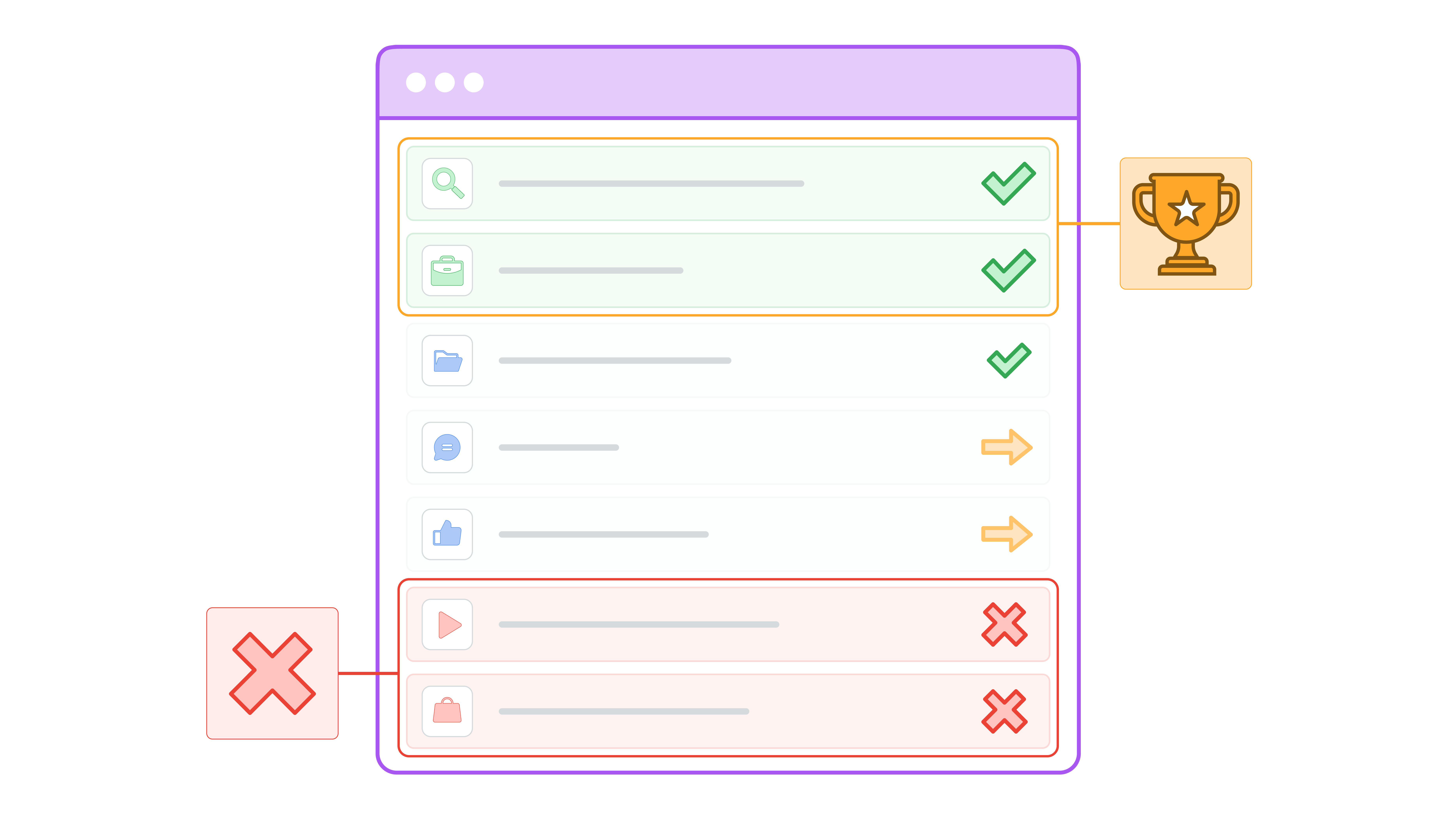
Google Ads amplifies whatever already exists — good or bad. Use this as a readiness check before committing budget.
[table]
Signal | Ready | Not Ready
Product-market fit | Validated with paying customers | Still testing core offering
ICP clarity | Clearly defined buyer persona | Broad or unclear target audience
Search intent | Buyers actively search for your solution | The category doesn't yet exist in the search
Conversion tracking | Set up and verified | Not in place
Landing page | Dedicated, intent-matched page | Homepage or generic web page
Messaging | Clear value proposition | Vague or untested positioning
ACV | Above $3,000 | Below $3,000 (economics rarely work)
Sales motion | At least one AE closing deals | No sales team to follow up on leads
[/table]
Google Ads is a demand capture tool. If the demand doesn't exist yet or your setup can't convert it, the budget will teach you that lesson expensively.
How to Set Up Your First Google Ads Campaign as a Startup
Setting up your first campaign correctly from the start prevents the most common and most expensive early-stage mistakes. Here's the exact sequence:
Step 1 — Create your Google Ads account
Go to ads.google.com and sign in with your Google account. Set your billing country, time zone, and currency. These cannot be changed later, so make sure you get them right on day one.
Step 2 — Define your campaign goal
Select "Sales," "Leads," or "Website traffic" depending on your conversion objective. For most B2B startups, "Leads" is the right starting point. This selection shapes the bidding options Google shows you.
Step 3 — Choose Search as your campaign type
Start with Search campaigns only. They capture buyers with explicit intent and give you the most control. Avoid Display, Performance Max, and YouTube until Search is validated.
Step 4 — Set your daily budget
Start with $50–$100/day for B2B. This gives the algorithm enough data to learn without overcommitting spend before performance is proven.
Step 5 — Set your bidding strategy
Use Manual CPC or Maximise Clicks for the first 30 days. Automated bidding strategies like Target CPA require a minimum of 30 conversions to work reliably. Switching too early produces unstable performance.
Step 6 — Define your targeting
Set geographic targeting to your primary market only. Leave language targeting as English or your primary language. Do not use broad audience targeting at this stage.
Step 7 — Build your ad groups around intent themes
Group keywords by shared intent, not by product feature. Each ad group should contain 5–15 closely related keywords. Tightly themed ad groups produce better Quality Scores and lower CPCs.
Step 8 — Write your responsive search ads
Create 2–3 responsive search ads per ad group. Write 8–10 headline variations and 3–4 descriptions. Each headline should serve a distinct purpose: problem statement, solution, differentiation, or CTA. Avoid repetition across headlines.
Step 9 — Set up conversion tracking before going live
Install the Google Ads tag on your website and define your primary conversion event — a demo booking, form submission, or trial signup. Do not launch campaigns without verified conversion tracking. Everything downstream depends on this.
Step 10 — Review and launch
Check your ad preview, confirm landing page URLs are correct, verify conversion tracking is firing, and confirm your daily budget. Launch and review performance after 48–72 hours of data.
What is an Ideal Budget for Google Ads for Startups?
This is one of the most searched questions related to google ads for startups—and for good reason.
Practical Budget Guidelines
- B2B SaaS: $50–$100/day
- Local services: $20–$50/day
- Ecommerce: Based on margins and AOV
Your first 30 days should be treated as data collection, not profit optimization.
Tips for Startups Running Google Ads
- Choose the Right Google Ads Campaign Types
It's important to optimize your Google Ad strategy for startups, specifically.
Best Campaign Types for Startups
- Search Campaigns – highest intent, most control
- Brand Search Campaigns – protect branded terms
- Remarketing (once traffic exists)
Campaign Types to Be Cautious With
- Display (low intent)
- Performance Max (too automated early)
- YouTube (better for awareness later)
Startups should master Search campaigns first before expanding.
- Keyword Research for Google Ads for Startups
Keyword research and selection is the single biggest driver of success or failure.
High-Intent Keywords Startups Should Target
- “google ads for startups”
- “google ads for small businesses”
- “ppc for startups”
- “best [tool/service] for startups”
- “[product] pricing”
- “[product] alternatives”
These keywords signal buying or evaluation intent, not casual research.
Avoid Early On
- Broad informational terms
- Single-word keywords
- High-volume keywords without intent
Start narrow, validate conversions, then expand.
Practical guide to finding high-intent keywords.
- Structuring Google Ads Accounts for Startup Success
A clean account structure improves performance and lowers costs.
Recommended Startup Structure
- Campaigns: One per core offering
- Ad Groups: Tightly themed keyword clusters
- Ads: 2–3 responsive search ads per ad group
Why This Matters
- Higher Quality Scores
- Better click-through rates
- Easier optimization and scaling
Messy accounts waste money, especially for startups.
- Writing High-Performing Google Ads Copy
Startup landing page copy must be clear, specific, and benefit-driven.
A Proven Startup Ad Copy Formula
- Call out the problem
- Present your solution
- Show differentiation
- End with a clear CTA
Example
Headline: Google Ads Management for Startups
Description: Launch profitable campaigns without wasted spend. Built for early-stage growth. Book a free strategy call.
Clarity always outperforms cleverness.
- Landing Pages That Convert Google Ads Traffic
Sending paid traffic to your homepage is one of the most expensive startup mistakes.
High-Converting Startup Landing Pages Include:
Your landing page should feel like the natural continuation of the ad, not a detour. Follow these best landing page practices.
- One clear goal
- Headline matching the keyword
- Benefits over features
- Social proof (logos, testimonials, stats)
- A single CTA above the fold
Check out The Best Call to Actions Examples ->
- Google Ads Bidding Strategies for Startups
Automation is powerful, but only after data exists.
Best Bidding Approach for Startups
- Start with Manual CPC or Max Clicks
- Switch to Max Conversions after 30–50 conversions
- Use Target CPA only when performance stabilizes
Early-stage startups need control before automation.
- Tracking Conversions and Measuring ROI
If you’re not tracking conversions, Google Ads becomes guesswork.
Must-Have Tracking Setup
- Google Ads conversion tracking
- Google Analytics 4
- Event tracking for key actions
- Call tracking (if applicable)
Metrics That Matter Most
- Cost per conversion
- Conversion rate
- Customer acquisition cost (CAC)
- Return on ad spend (ROAS)
Click here to discover the 7 strategies that drive 19% more conversions in 2026
Common Google Ads Mistakes Startups Make
Most failed startup campaigns fail for predictable reasons. Every one of these is fixable — but they're easier to avoid than to undo after the budget has already gone.
- Targeting too many keywords: More keywords mean more surface area for irrelevant traffic. Start with 10–20 high-intent keywords per campaign and expand only once conversion data validates performance.
- Using broad match without negatives: Broad match on its own is a budget leak. Without a negative keyword list built before campaigns go live, you'll fund searches that have nothing to do with your ICP. Build your exclusion list first.
- Weak landing pages: Sending paid traffic to your homepage is one of the most expensive startup mistakes in Google Ads. Every campaign tier needs a dedicated landing page that matches the search intent behind the keyword.
- No conversion tracking: If you're not tracking conversions, every decision you make is a guess. Smart Bidding can't optimise toward the right buyers, and you have no way to know which keywords are actually producing pipeline.
- Pausing campaigns too early: Google's algorithm needs time to learn. Pausing campaigns after a week of low performance resets the learning period and produces exactly the instability founders mistake for "Google Ads not working."
- Scaling before profitability: Increasing ad budget before unit economics are validated doesn't accelerate results; it accelerates waste. Prove CAC at low spend first. Then scale.
Remember that Google Ads rewards patience and iteration, not the biggest budget.

For example, when FYXER AI came to ScalixAI with fragmented campaigns and no reliable attribution, we did a full account rebuild. We structured campaigns, intent-matched keywords, fixed conversion tracking, and much more.
By properly following the Google Ads Optimization checklist, Google Ads became its highest-performing acquisition channel. The result: 10,000+ customers acquired, 20x revenue scaled, and 12% of total ARR now coming directly from Google Ads.
That's what a properly built Google Ads account produces for a startup with the right product and the right structure behind it.
Google Ads vs Other Marketing Channels for Startups
[table]
Channel | Speed to Results | Intent Level | Cost Model | Best For
Google Ads | Immediate | High — captures active demand | Pay per click | Startups with proven PMF and search intent
SEO | 3–6 months | Medium — organic discovery | Time + content investment | Long-term compounding traffic
Paid Social | Fast | Low-Medium — interruption-based | Pay per impression/click | Demand creation, awareness
Content Marketing | 6–12 months | Low — educational | Time + resource investment | Authority building, SEO support
Cold Email | Immediate | Low — unsolicited | Time + tooling | Pipeline at an early pre-revenue stage
Referrals | Unpredictable | Very High | Near zero | Strong PLG products
[/table]
The strongest startups use PPC and SEO together; Google captures demand now, and SEO builds the foundation for what comes next.
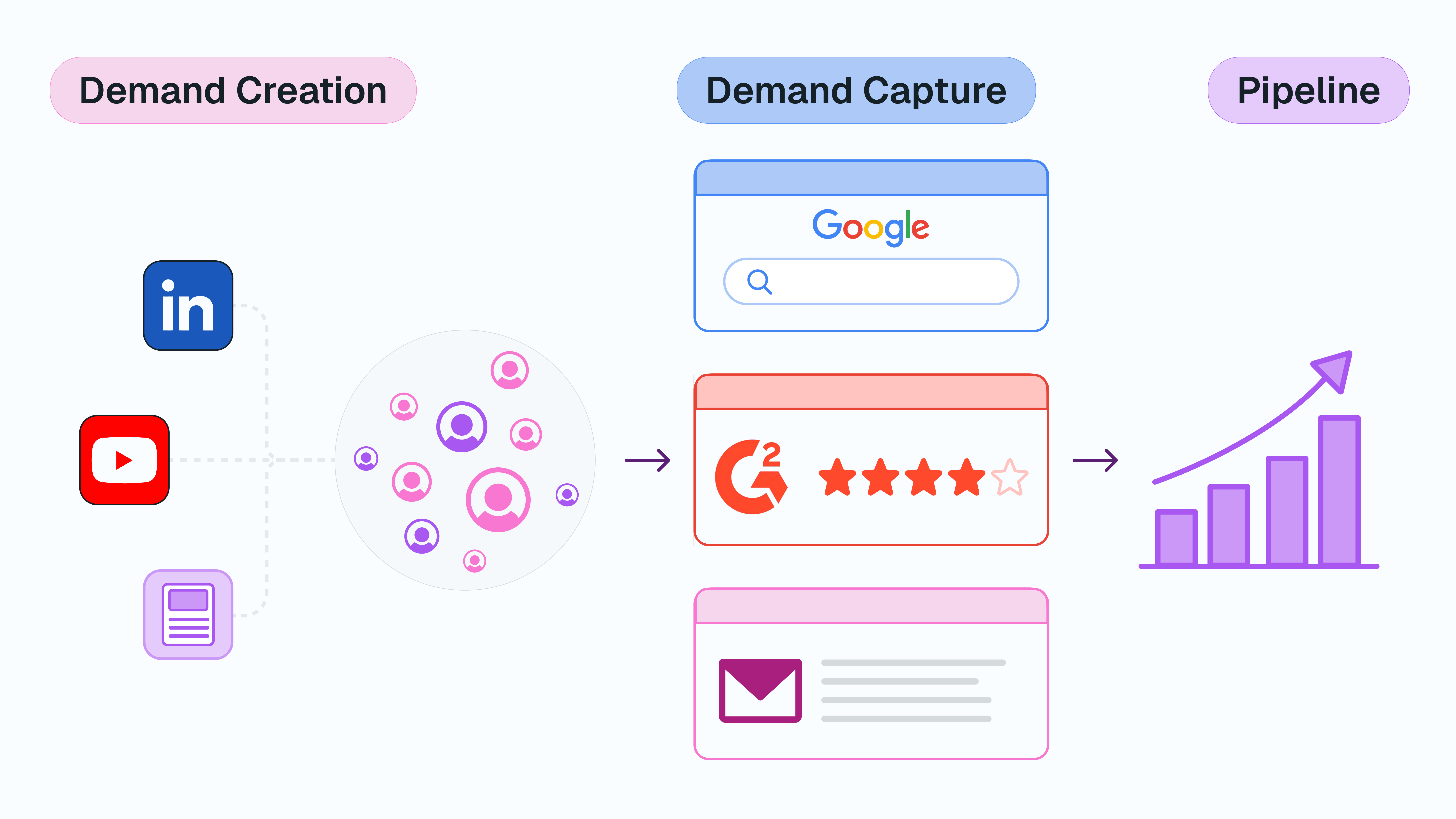
Google vs Meta is often a debate but paid media creates demand that Google then captures. So it’s best to recognize that they actually work in sequence, not in competition.
When to Hire a Google Ads Agency or Expert
Consider hiring help if:
- You’re spending $3,000+/month
- Performance is inconsistent
- You lack time for weekly optimization
- You want to scale profitably
A good Google Ads expert saves more than they cost.
Our complete guide on signs that it's time to hire a Google Ads Management ->
The Bottom Line
Google Ads for startups works when it's built on three things: the right structure, clean tracking, and enough patience to let the data lead the decisions.
Startups that win with Google Ads don't win because they spend more. They win because they target intent-driven keywords, track every conversion back to real pipeline, optimise consistently, and only scale what's already proven to work.
The channel is not a shortcut. It's a precision tool, and when it's used correctly by B2B SaaS and AI startups with clear ICPs and working sales motions, it consistently produces measurable, compounding growth.
If you're spending on Google Ads and the results aren't making sense, the problem is almost never the channel. It's the foundation underneath it.
ScalixAI provides Google Ads management services specifically for B2B SaaS and AI startups. If you want to know what's actually holding your account back, book a free audit and we'll show you exactly where the gaps are.